Complete Guide to What Can and Cannot Go in Your Dumpster
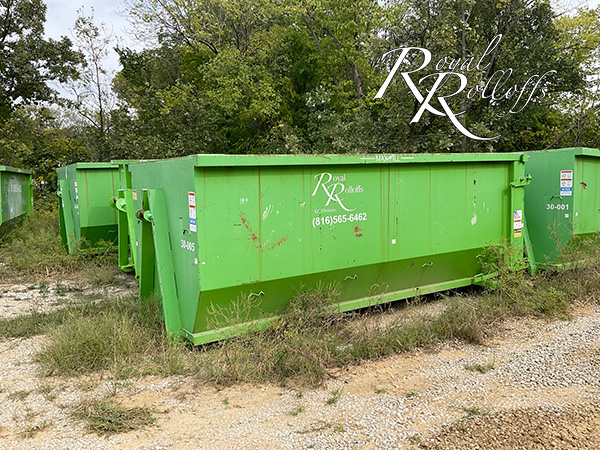
When planning a home improvement, construction, or cleanup job in Independence, MO, learning the rules for dumpster use is critical. Many customers are surprised to learn that some debris is not permitted. Knowing the rules helps avoid delays, additional fees, and compliance issues during your project. At Royal Rolloffs, we focus on keeping the rental process smooth by helping you understand what belongs in the dumpster and what does not. Following this list will help you plan ahead and load safely.
Smart waste management is more than just tossing items out. It ensures compliance with local and federal regulations, protects everyone on the jobsite, and helps preserve the environment. Knowing what is allowed and what is restricted, you can make the rental period as efficient as possible. In this guide we outline typical types of debris, highlights restrictions, and provides helpful tips for sorting debris before loading your container.
Household Junk and General Debris
Common junk from your home is acceptable. Items like old furniture, clothing, toys, cardboard, paper, and non-hazardous trash are all acceptable. These common materials are easy to dispose of and make up the bulk of waste generated during cleanouts and move-outs. When tackling a garage, basement, or attic cleanout, these are typically the first items to go into the container. Organizing waste allows you to fit more and load safely.
Construction leftovers like wood scraps and roofing materials are allowed. These are typical results of repairs and remodels. Disassembling large materials and layering weight properly creates more room. It helps balance the weight and leaves room for trash bags and soft goods. Organized loading saves time and prevents needing extra pickups.
Yard Waste and Outdoor Materials
Your dumpster can handle most yard debris including trimmings and brush. These containers are convenient for major landscaping or seasonal yard work. Organizing yard debris keeps you compliant with composting standards. Consider trimming or removing tree stumps in advance, as they may be subject to special processing.
Outdoor materials such as fencing, decks, and patio furniture are also acceptable as long as they are free from hazardous coatings. Treated lumber with hazardous coatings must be excluded, because they need special treatment. If you are replacing concrete or bricks, these can also go into a dumpster but should be loaded evenly to avoid overloading. Even loading protects the container and ensures safe hauling.
Items That Cannot Be Placed in a Dumpster
Some items are banned for safety and environmental protection. Chemicals, fuels, and hazardous liquids are never allowed. Such materials can cause contamination and harm sanitation workers. Seek professional advice for safe disposal of these substances.
Units with refrigerants require special preparation before being loaded. Electronics, batteries, and fluorescent bulbs often require special handling due to the presence of heavy metals or chemicals. Sharps, medical debris, and hazardous soil must not be disposed of in a dumpster. Learning the prohibited items early avoids project delays.
Construction Site Debris
Construction and demolition debris is roll off dumpsters near me Independence MO one of the most common uses for dumpster rentals. Materials such as lumber, siding, roofing, concrete, and metal are generally accepted and can be disposed of together. For large renovation projects, keeping similar materials grouped together can make recycling easier and help reduce the environmental impact of the project. We coordinate with project managers to make sure construction materials are disposed of properly.
Demolition projects can create piles of plaster, broken tile, and window frames. They may be disposed of if free of hazardous substances like asbestos. Hire a certified abatement service if asbestos is suspected. Organizing debris removal in advance supports efficiency and jobsite safety.
Best Practices for Heavy Loads
Dense materials like dirt and asphalt are accepted with weight precautions. These materials quickly add weight, and overloading can make the container unsafe for transport. Users must monitor how much heavy waste they load. You may need to split loads to keep weights manageable.
If you are working on a landscaping or excavation project, loading dirt and rock carefully helps balance the weight in the container. Balancing weight helps protect the container and truck. Letting us know what heavy debris you have helps us prepare the right solution. Planning ahead ensures that the container is used safely and efficiently for your project needs.
Eco-Friendly Disposal and Recycling
Responsible disposal helps maintain a healthy community and ecosystem. Separating recyclables and avoiding prohibited items helps minimize landfill waste. Royal Rolloffs helps ensure waste is processed with environmental care. This effort maintains a healthier community in Independence, MO.
When customers take time to separate recyclables like metal, cardboard, and certain plastics, it makes the disposal process more sustainable. Not only does this help the environment, but it also helps reduce potential complications during hauling. Royal Rolloffs provides guidance on best practices for waste sorting to make the process straightforward. Following these practices keeps you compliant and eco-friendly.
Ensuring a Smooth Dumpster Rental Experience
Knowing what can and cannot go into a dumpster is the key to a smooth rental experience. Residents and contractors in Independence, MO, choose Royal Rolloffs for reliable waste handling. Careful sorting, following restrictions, and preparing for weight limits prevent costly delays. Our mission is to make waste removal easy and safe for all projects. Whatever the job, we provide the right dumpster solution for your project.